X

Hot Tapping Technology

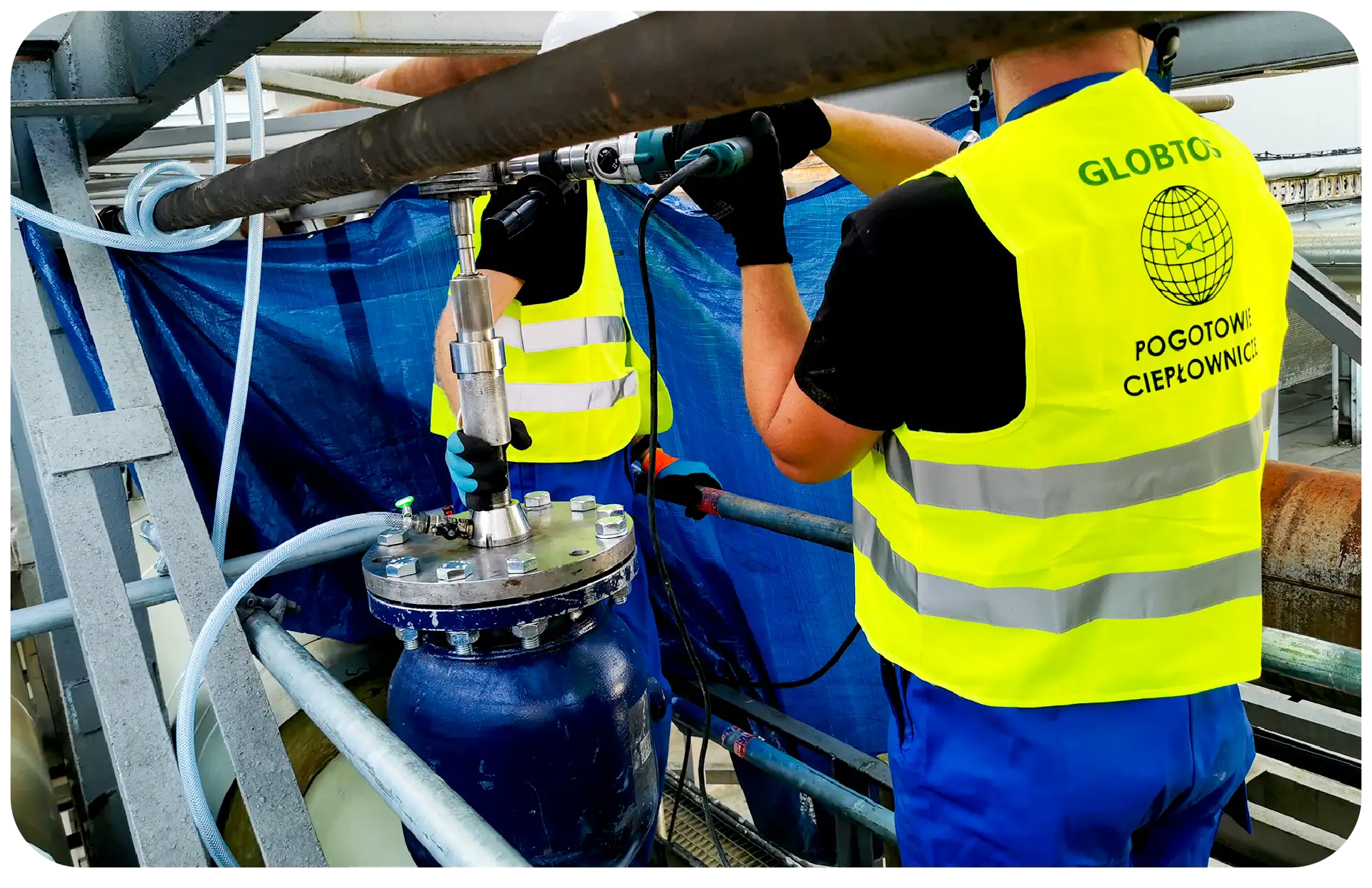
wcinka na gorąco w sieci ciepłowniczej – montaż armatury globtos podczas prac pod ciśnieniem

Hot tapping is the most effective method for modernising and expanding active district heating and industrial pipelines. It enables a new branch connection to be made without shutting down the network, draining the medium, or generating costly downtime.

Why choose hot tapping technology?

In the traditional network expansion model, installing a new valve requires cutting off an entire sector from the heat supply. Hot tapping eliminates this problem, offering:

  • Continuity of supply: End users are unaffected by the work being carried out — the network operates under full pressure.
  • Medium savings: No need to drain thousands of litres of treated network water or glycol.
  • Cost reduction: No costs associated with refilling, bleeding and chemical water treatment.
  • Speed of execution: The connection is ready for operation immediately after drilling is complete.

The hot tapping process — step by step

Our technology is built on precision and the highest safety standards. The process takes place in four key stages:

  1. Fitting installation: A specialist ball valve (dedicated to hot tapping applications) is welded onto the active pipeline.
  2. Leak test: Before drilling, a pressure leak test of the weld is carried out to eliminate any risk of leakage.
  3. Pressure drilling: Using a hot tapping machine equipped with a specialist hole cutter (crown bit), we drill through the wall of the live pipe through the open valve.
  4. Connection commissioning: After the drill is withdrawn and the valve closed, the machine is dismounted. The new branch is fully functional and ready for connection to the new pipeline run.

Technical capabilities and applications

Thanks to our advanced machinery and GLOBTOS valves, we carry out hot taps across a wide range of parameters:

  1. Fitting installation: A specialist ball valve (dedicated to hot tapping applications) is welded onto the active pipeline.
  2. Leak test: Before drilling, a pressure leak test of the weld is carried out to eliminate any risk of leakage.
  3. Pressure drilling: Using a hot tapping machine equipped with a specialist hole cutter (crown bit), we drill through the wall of the live pipe through the open valve.
  4. Connection commissioning: After the drill is withdrawn and the valve closed, the machine is dismounted. The new branch is fully functional and ready for connection to the new pipeline run.

Technical capabilities and applications

Thanks to our advanced machinery and GLOBTOS valves, we carry out hot taps across a wide range of parameters:

  1. Diameter range: DN32 to DN1400.
  2. Media: network water, glycol, steam, industrial oils.
  3. Pipeline material: carbon steel, stainless steel, cast iron (using appropriate saddle clamps).
  4. Applications: building connections, installation of instrumentation and control equipment, bypasses during planned maintenance.

Deliver your project with GLOBTOS

We are a partner that provides not only valves, but complete technological expertise. We support design offices, contractors and district heat utilities in optimising pipeline work.

Do you have questions about the technology or need valve selection for a specific hot tap? Contact our technical office in Wrocław. We will prepare a quote and specification tailored to your requirements.

One dedicated contact person — call or write, and we’ll help you select the right valve today!


0048 123 345 678

email@email.pl

Read on our blog

Pre-insulated Ball Valves for District Heating Networks

In the construction of modern transmission systems, the selection of valves that combine high mechanical strength with excellent insulation properties…
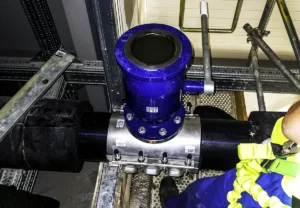
What Does a Good Ball Valve Really Consist Of?

Materials, construction and standards that determine durability in district heating networksAt first glance, a ball valve is simply a piece…
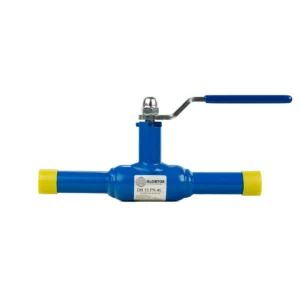
GLOBTOS Standard Ball Valves

GLOBTOS standard ball valves are the foundation of safe and efficient district heating and industrial systems. Designed for years of…
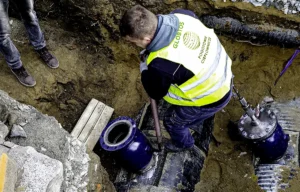
How to select a ball valve for district heating? A practical guide

Valve selection isn’t just an “off-the-shelf purchase.” It’s a decision that determines whether, in five years, you’ll be facing a…